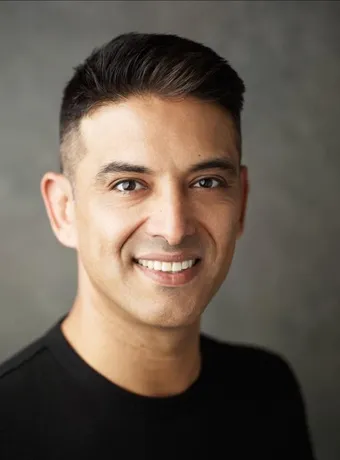
An SEO expert earns the title in markets where the usual playbook fails. Guillermo Bravo learned the trade in cannabis, where dispensaries cannot run ads on Google, Meta or most other major platforms. Local search was the only reliable way to reach new customers, so it had to work.
He founded Foottraffik in 2017, the first SEO agency built only for cannabis dispensaries. It grew to serve dispensaries nationwide and was acquired by MediaJel in an 8-figure exit. In October 2025 he launched Nearfront, an AI-powered local SEO platform for dispensaries and multi-location brands, alongside BlueMap, a performance marketing agency for high-ticket local industries.
What does an SEO expert do for a local business?
Customers choose local businesses in a few places: the Google map pack, the first organic results for "near me" searches and now the recommendations in ChatGPT, Gemini and Google AI Overviews. A business that is missing from those places loses customers it never hears about.
The job is to find out why a business is missing and fix the causes in order of revenue impact. Rankings matter because they bring in store visits, calls and repeat orders, so those are the numbers Guillermo reports on. A keyword that climbs from position eight to position two is worth something when the phone rings more.
The method started in cannabis and works for any business that depends on nearby customers. The same work that gets a dispensary found without paid ads can fill the schedule of a veterinary clinic, a law firm or a home services company with ten locations. Nearfront applies it to dispensaries and multi-location cannabis brands, and BlueMap applies it to high-ticket service businesses across North America.
How Guillermo approaches SEO
Entity authority first
Person and Organization schema, consistent citations and a presence in Google's knowledge graph. Search engines and AI assistants need to know exactly who a business is before its rankings will hold.
Google Business Profile and review velocity
Categories, attributes, Q&A and posts for every location. Reviews are among the strongest local ranking signals, so Nearfront requests them automatically over iMessage.
Location-specific content and structured data
Pages written for the questions people actually search, marked up with FAQPage and BreadcrumbList schema so search engines and AI tools can quote the answer.
GEO and AEO for AI search
Tracking how often ChatGPT, Gemini, Perplexity and Google AI Overviews mention the business, and improving that alongside map pack rankings.
Entity authority and coverage
Search engines and AI assistants rank businesses they can identify with confidence. That identity is built from the same facts repeated accurately in many places: structured data on the website, a complete Google Business Profile, matching citations, profiles on LinkedIn and Crunchbase, and a Wikidata entry where the business qualifies for one.
Coverage builds on that foundation. Mentions and links from industry publications, local business press, guest articles, expert quotes and podcast appearances show search engines that other credible sources know the business. For a local brand, coverage from its own city is especially useful, because it ties the business to the place it serves.
The website carries part of that identity too. An about page with the founder's history, clear contact details and the same structured data on every page give search engines one consistent answer each time they ask who runs the business.
Entity work, profiles, reviews, content and coverage support each other, so Guillermo plans them together and reports all of them against the same numbers: calls, visits, orders and revenue.
Questions people ask before hiring an SEO expert
What does an SEO expert actually do?
An SEO expert works out why a business is not being found and fixes the causes in order of revenue impact: entity signals, Google Business Profile, reviews, site structure, content and links. Guillermo reports customers and revenue first and uses rankings to explain how those numbers moved.
How do I know if I need to hire an SEO expert?
Check whether your locations show up in the map pack for the searches your customers use, how quickly new reviews arrive, and whether AI assistants mention you when someone asks about your category. If any of those looks weak, an expert will usually find the cause faster than trial and error.
Do you only work with cannabis businesses?
No. The method started in cannabis, and Nearfront serves dispensaries and multi-location brands. Through BlueMap, Guillermo also works with veterinary clinics, home services, medical and legal practices and restaurants.
How long until SEO shows results?
Google Business Profile fixes and steady reviews can improve map pack visibility within weeks. Organic rankings and visibility in AI answers build over months, which is why the client results on this page cover twelve months.
What are GEO and AEO?
GEO (generative engine optimization) and AEO (answer engine optimization) are the work of getting a business cited in AI answers from ChatGPT, Gemini, Perplexity and Google AI Overviews. Both depend on clear entity signals, factual structured content and mentions on sites those systems trust.
Is Guillermo available for SEO work in San Diego?
Yes. Guillermo Bravo is based in San Diego, California, and works with local businesses there as well as multi-location brands across North America.